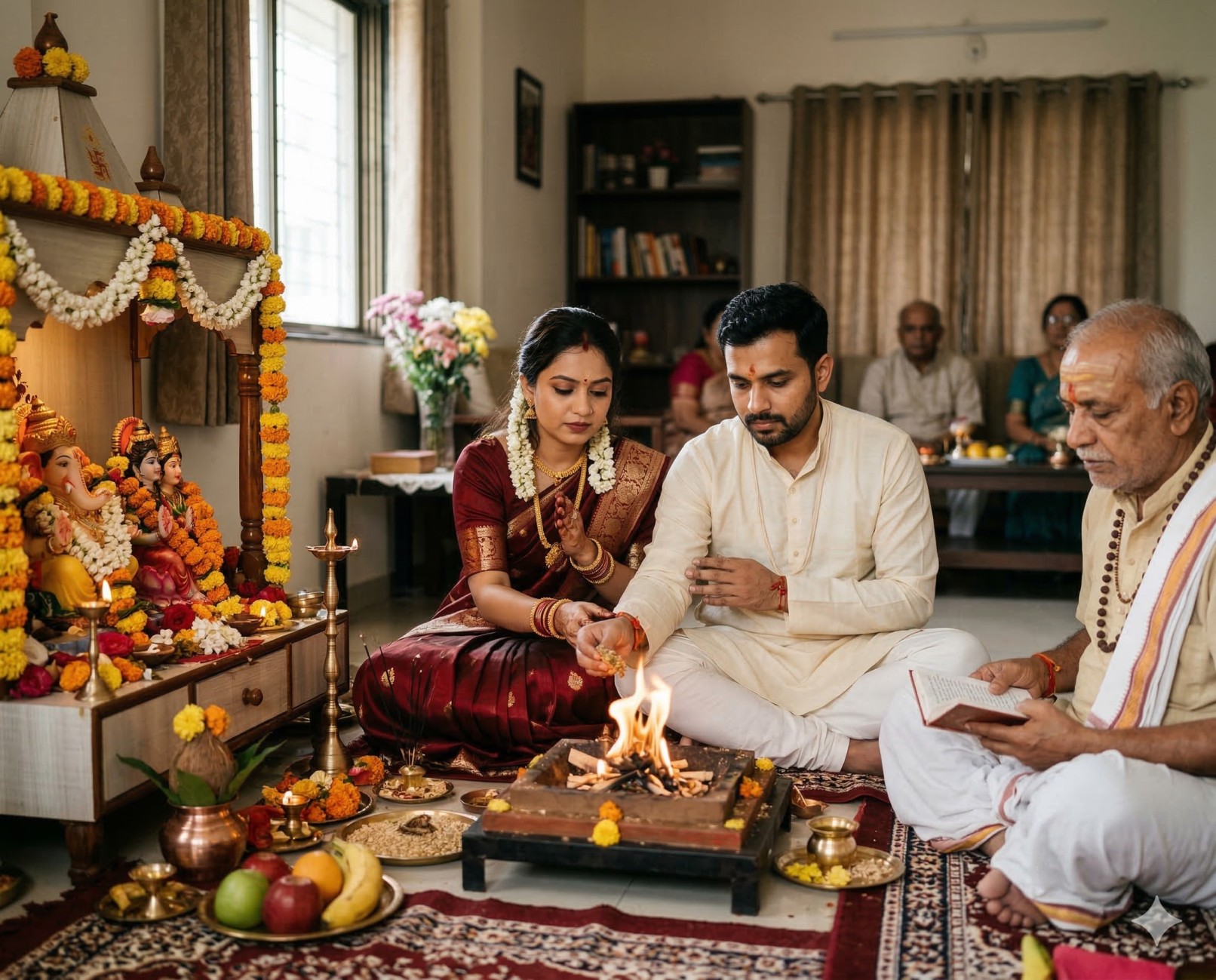
Garbhadhana Sanskar is the first Sanskar of human life. It is performed by a married couple before conceiving a child. The purpose of this ritual is to begin parenthood with purity, responsibility, and positive thoughts. In Sanatan tradition, it is believed that a child’s character begins forming even before birth, so parents prepare themselves spiritually and mentally.
Symbolizes
This Sanskar symbolizes responsible parenthood and the sacred beginning of life.
Ideal Time
Performed after marriage and before conception.
How the Ritual is Done
A priest performs a Vedic Havan (fire ritual) while chanting mantras. The couple prays for a healthy, wise, and virtuous child.
Pumsavana Sanskar
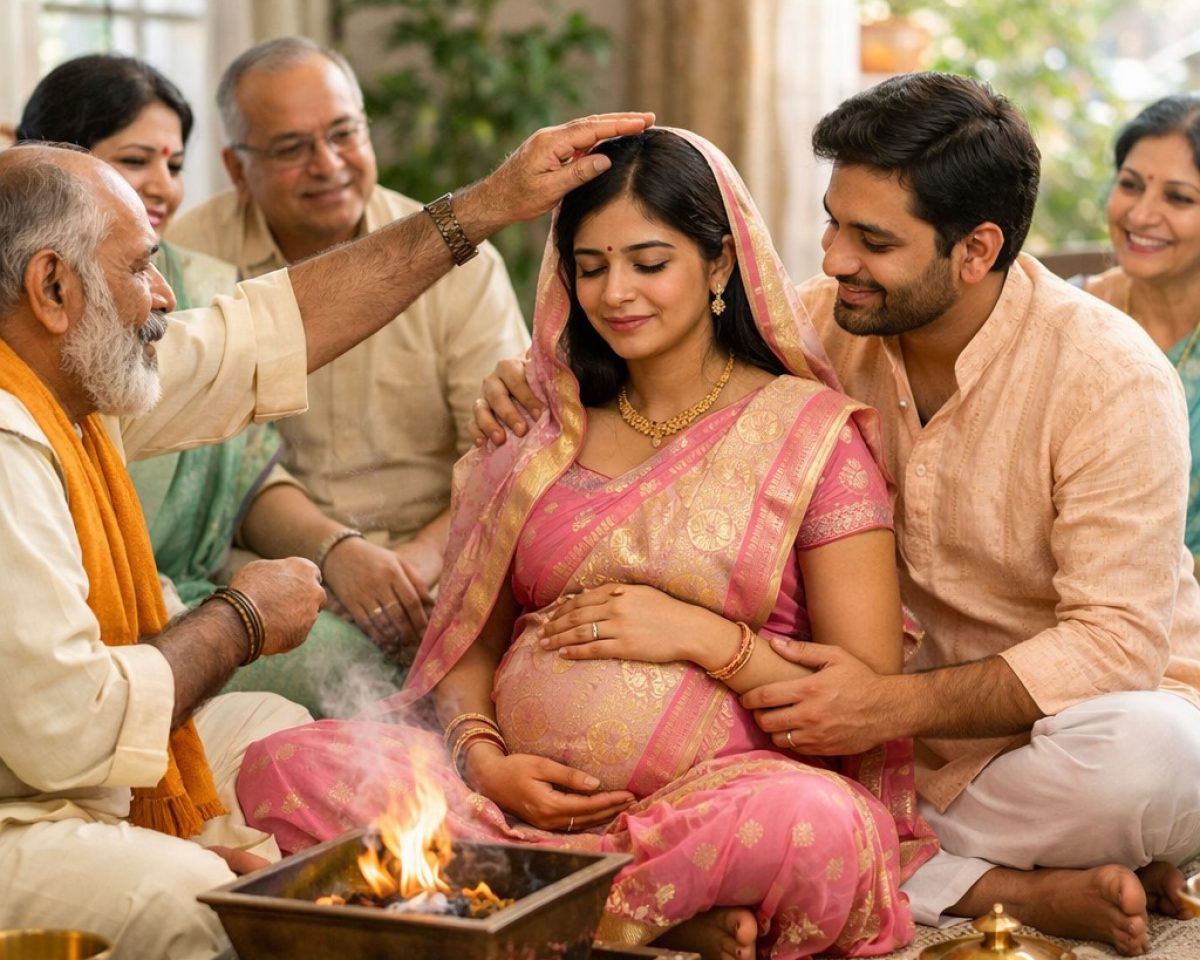
Pumsavana Sanskar is performed during early pregnancy for the protection and healthy development of the unborn child. It focuses on the physical and emotional well-being of the mother and the baby.
Symbolizes
It symbolizes care, protection, and nurturing of new life in the womb.
Ideal Time
Usually performed during the 3rd month of pregnancy.
How the Ritual is Done
A small Havan is performed and special Vedic mantras are chanted. The mother receives blessings for a healthy pregnancy and safe childbirth.
Blessing for Healthy Pregnancy
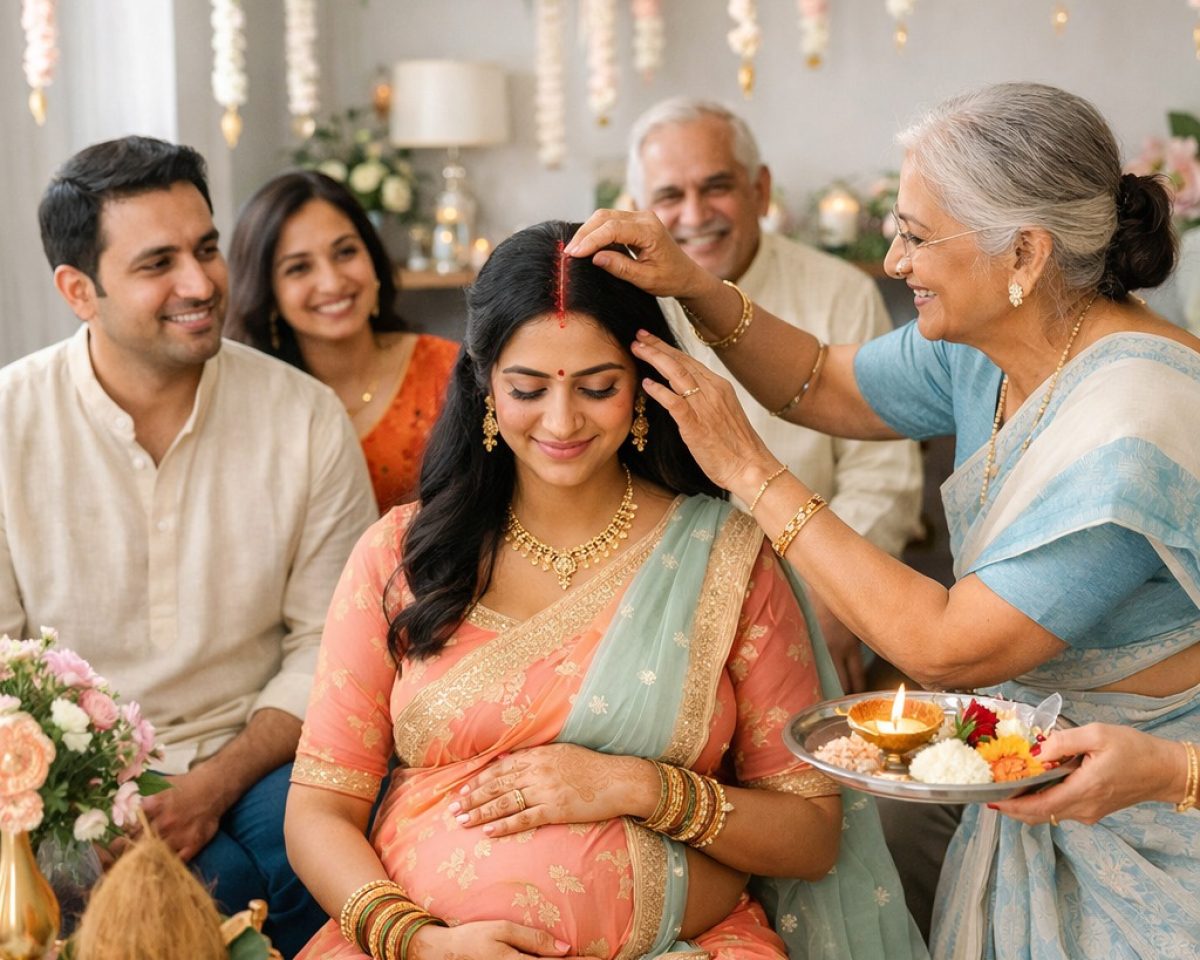
Spiritual Baby Shower
Simantonnayana Sanskar
Simantonnayana Sanskar is performed during pregnancy to protect the mother and unborn child from negative influences. It also celebrates motherhood and brings emotional support to the expecting mother.
Symbolizes
This Sanskar symbolizes care, emotional support, and protection of the mother and child.
Ideal Time
Usually done during the 6th or 7th month of pregnancy.
How the Ritual is Done
The husband gently parts his wife’s hair while mantras are recited. Family members bless the mother and pray for the child’s safe birth.
Jatakarma Sanskar
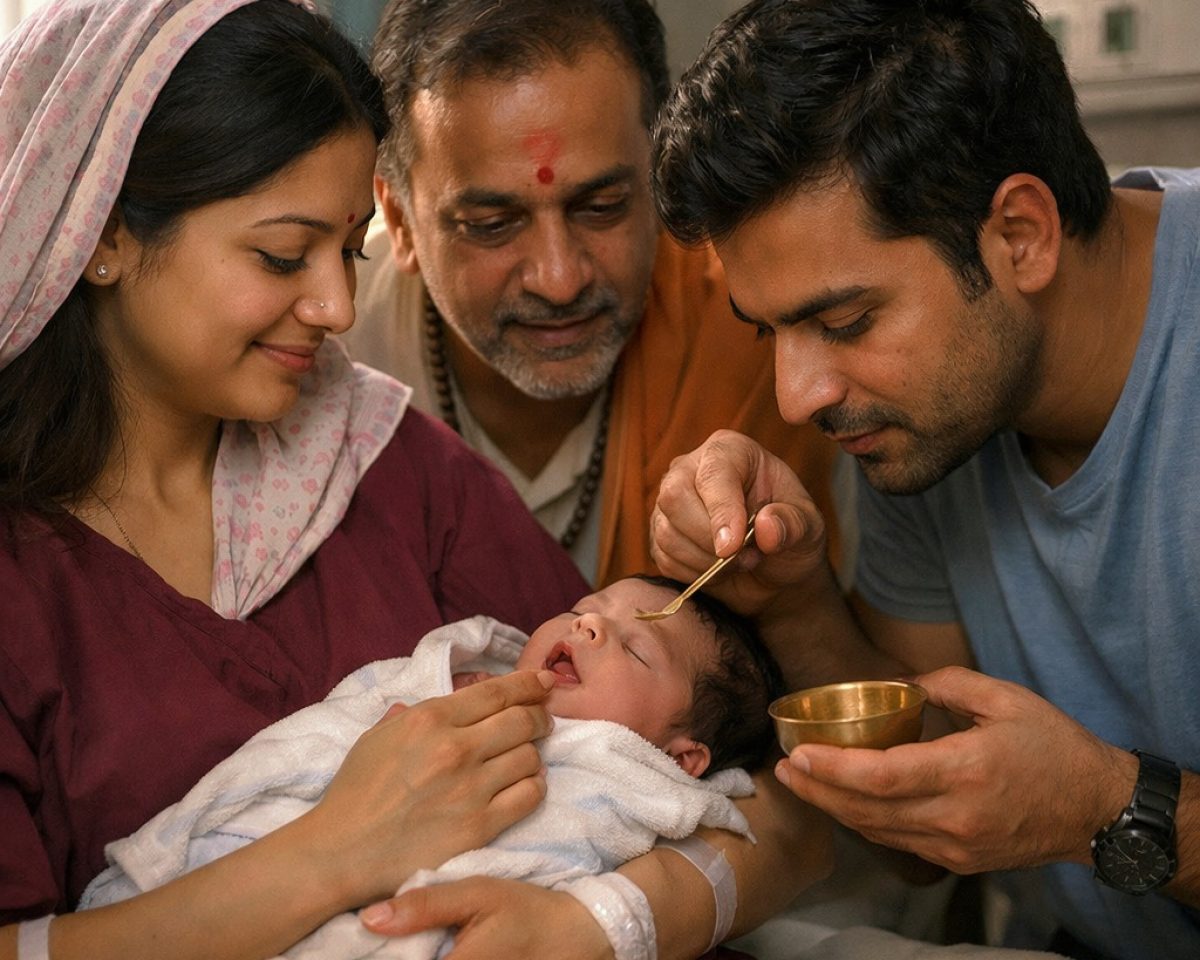
Jatakarma Sanskar is performed when a child is born. It welcomes the newborn into the world and seeks blessings for health, wisdom, and a good life.
Symbolizes
It symbolizes welcoming a new soul into the world and beginning the journey of life.
Ideal Time
Performed immediately after birth or within a few days.
How the Ritual is Done
The father whispers sacred mantras in the baby’s ear. Sometimes honey or ghee is touched to the child’s lips as a symbol of sweetness and intelligence.
Birth Ceremony
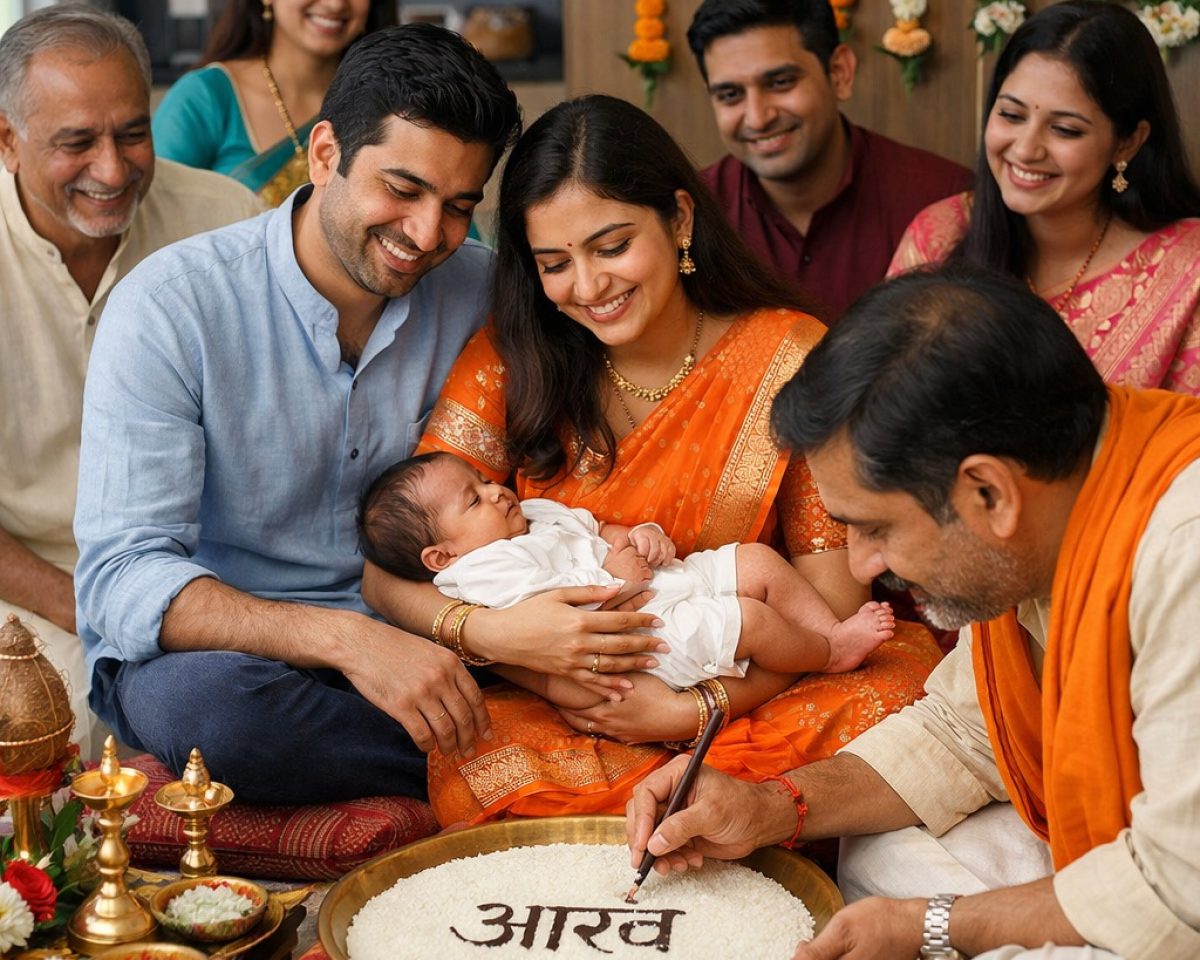
Naming Ceremony
Namkaran Sanskar
Namkaran Sanskar is the ritual where the baby receives a name. In Hindu culture, a name is not just an identity but also carries spiritual meaning and positive vibrations.
Symbolizes
This Sanskar symbolizes identity and recognition in family and society.
Ideal Time
Usually performed on the 11th or 12th day after birth.
How the Ritual is Done
After prayers and Havan, the chosen name is whispered in the baby’s ear and announced to family members.
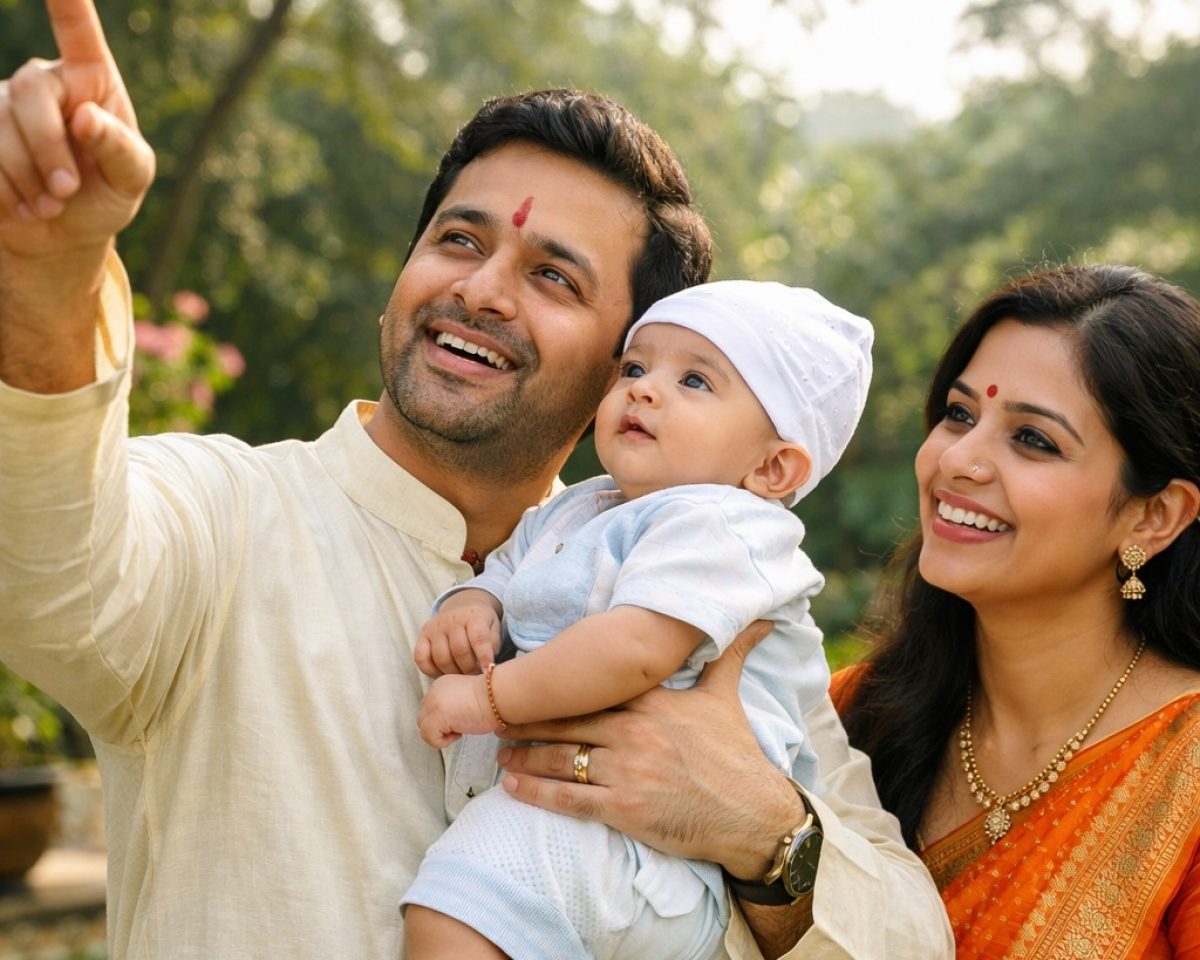
Nishkraman Sanskar
Nishkraman Sanskar is the ceremony when a baby is taken outside the house for the first time. It introduces the child to nature and the outside world.
Symbolizes
It symbolizes the child’s connection with nature and the universe.
Ideal Time
Performed when the child is about 3 to 4 months old.
How the Ritual is Done
The baby is taken outside, often to a temple, and shown the Sun and Moon while prayers are offered.
First Visit Outside
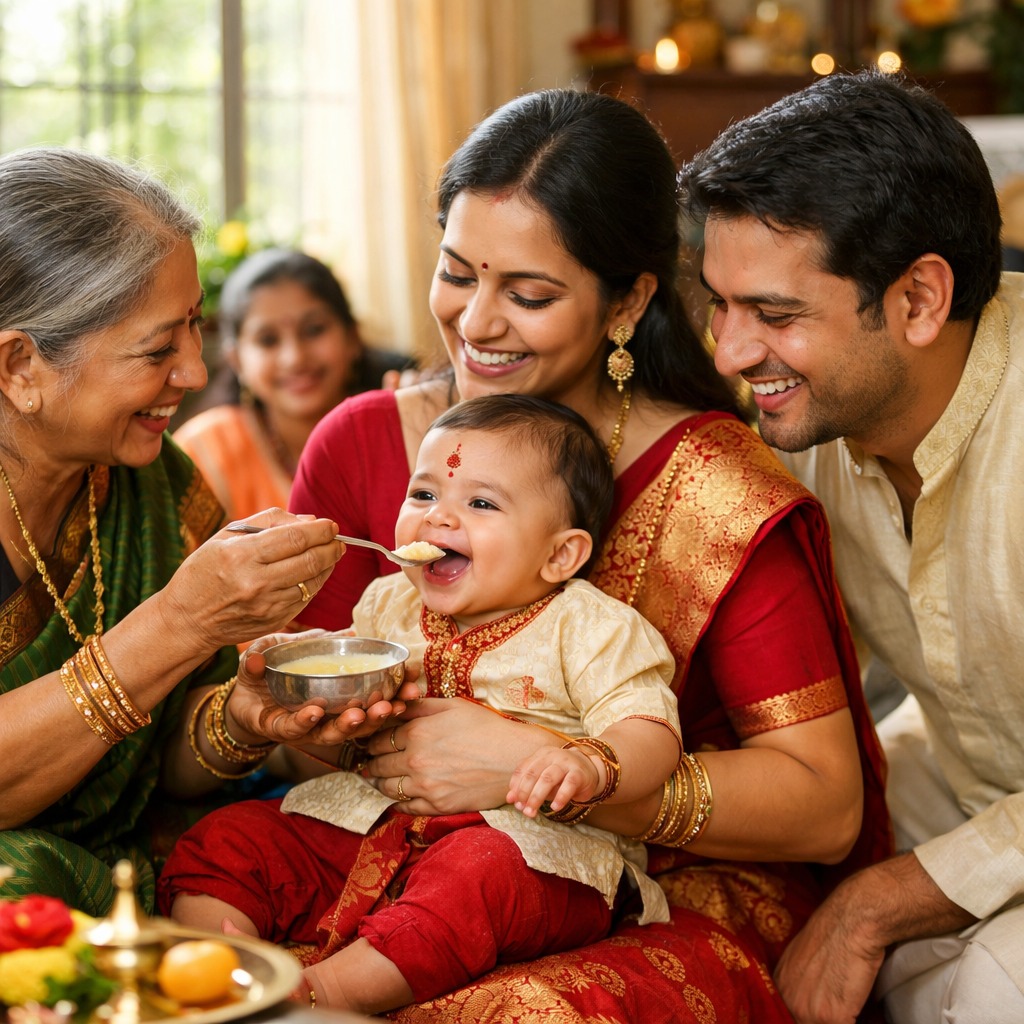
First Solid Food
Annaprashan Sanskar
Annaprashan Sanskar marks the first time a child eats solid food. It celebrates the beginning of proper nourishment for physical growth.
Symbolizes
This Sanskar symbolizes growth, nourishment, and healthy development.
Ideal Time
Usually performed when the child is around 6 months old.
How the Ritual is Done
After prayers and Havan, the child is fed a small portion of rice or sweet kheer by the parents.
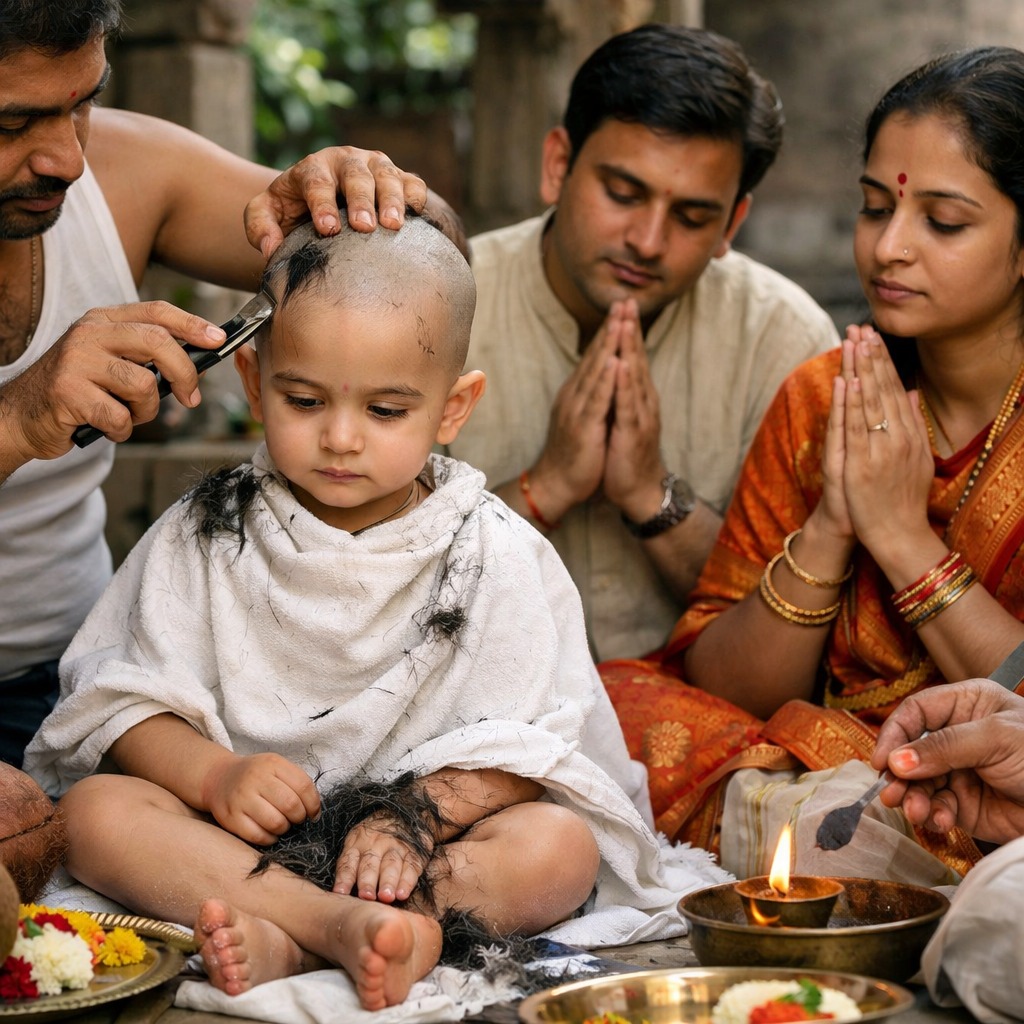
Mundan Sanskar
Mundan Sanskar involves shaving the child’s head for the first time. According to tradition, it removes impurities from past births and promotes healthy hair growth.
Symbolizes
It symbolizes purification and a fresh start in life.
Ideal Time
Usually done between 1 to 3 years of age.
How the Ritual is Done
The child’s head is shaved and prayers are offered for health, protection, and long life.
First Hair Removal
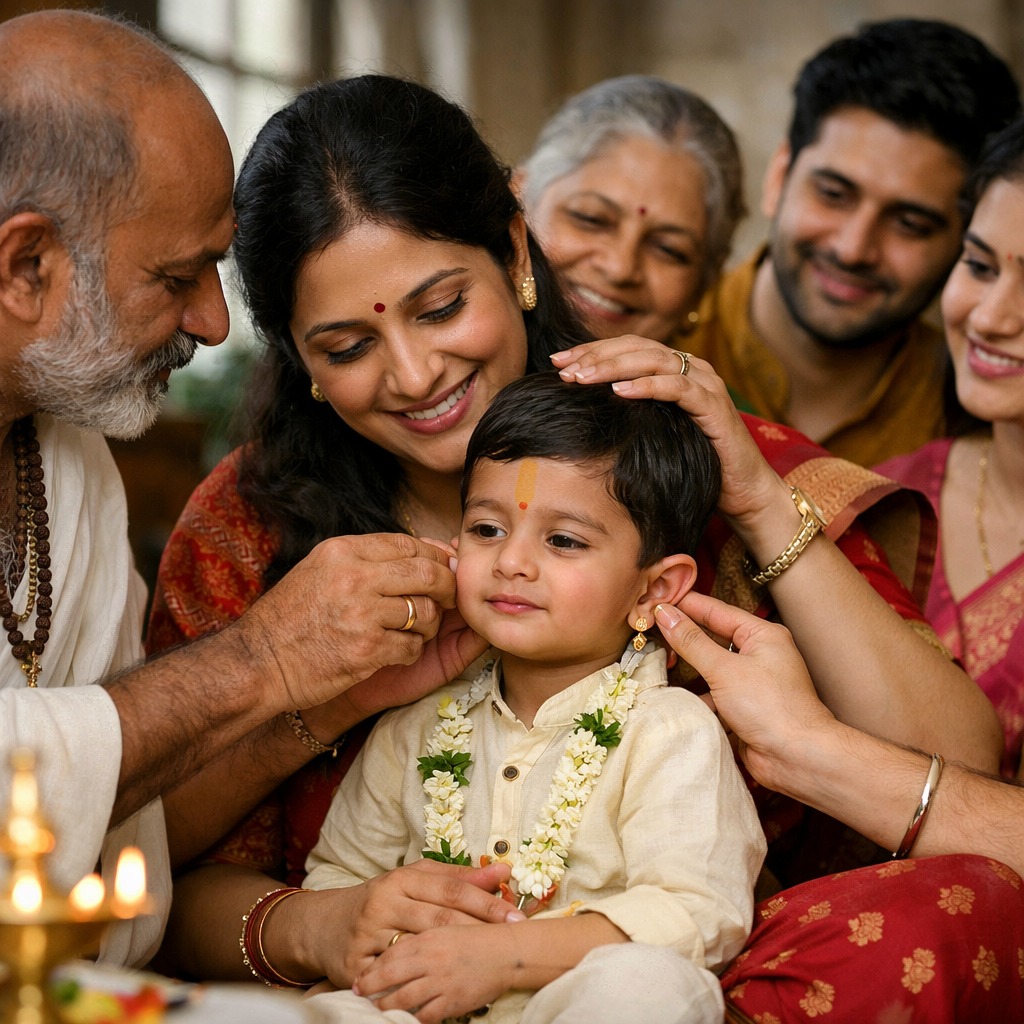
Ear Piercing
Karnavedha Sanskar
Karnavedha Sanskar is the ceremony of piercing the ears. It has both cultural and health significance in traditional beliefs.
Symbolizes
It symbolizes opening the mind to knowledge and awareness.
Ideal Time
Usually performed between 3 to 5 years of age.
How the Ritual is Done
The child’s ears are pierced while prayers are chanted and blessings are given.
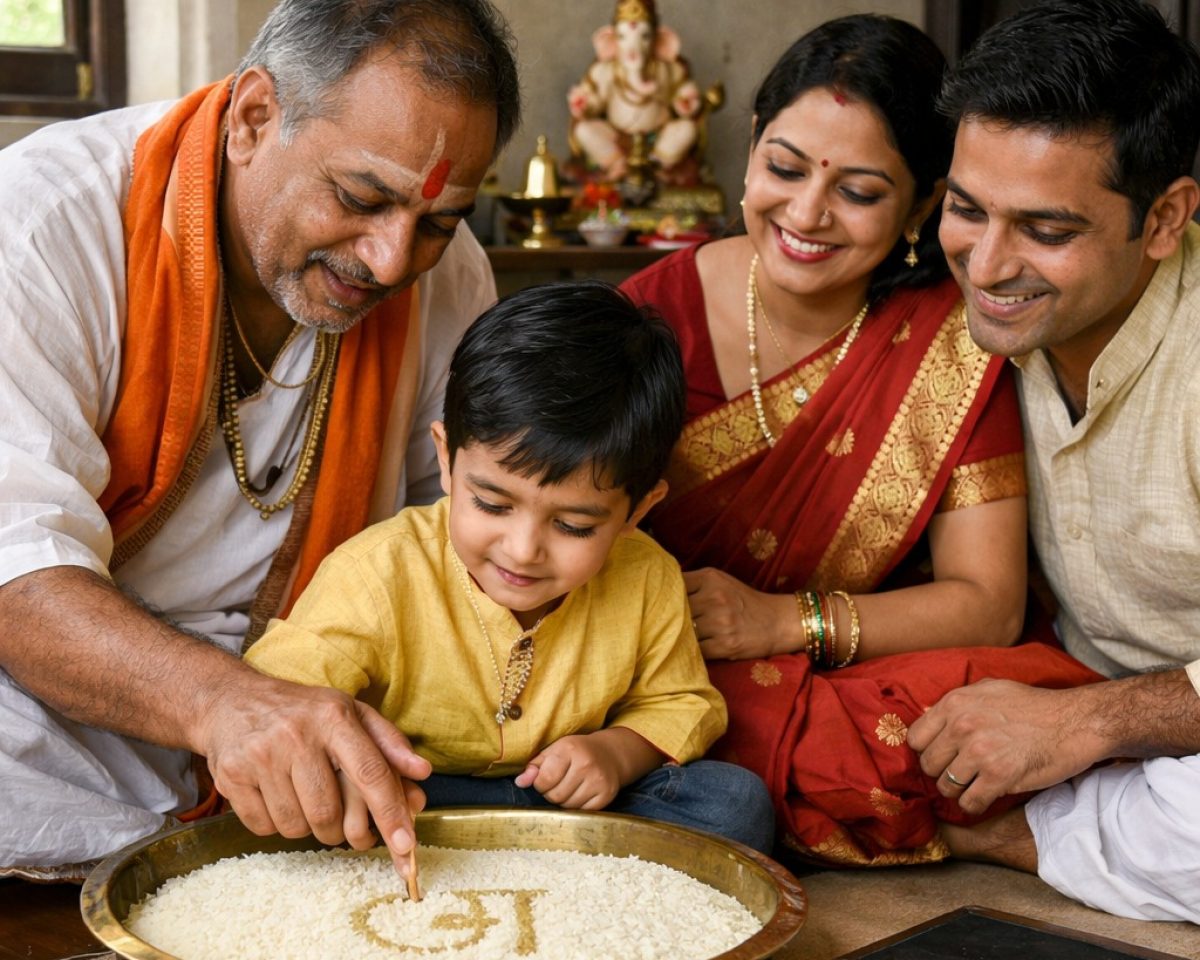
Vidyarambha Sanskar
Vidyarambha Sanskar marks the child’s first step into formal education. It emphasizes the importance of learning and respect for knowledge.
Symbolizes
It symbolizes the beginning of learning and intellectual growth.
Ideal Time
Performed around 4 to 5 years of age.
How the Ritual is Done
The child writes their first letters, often “Om” or Sanskrit alphabets, under the guidance of parents or a teacher.
Beginning of Education
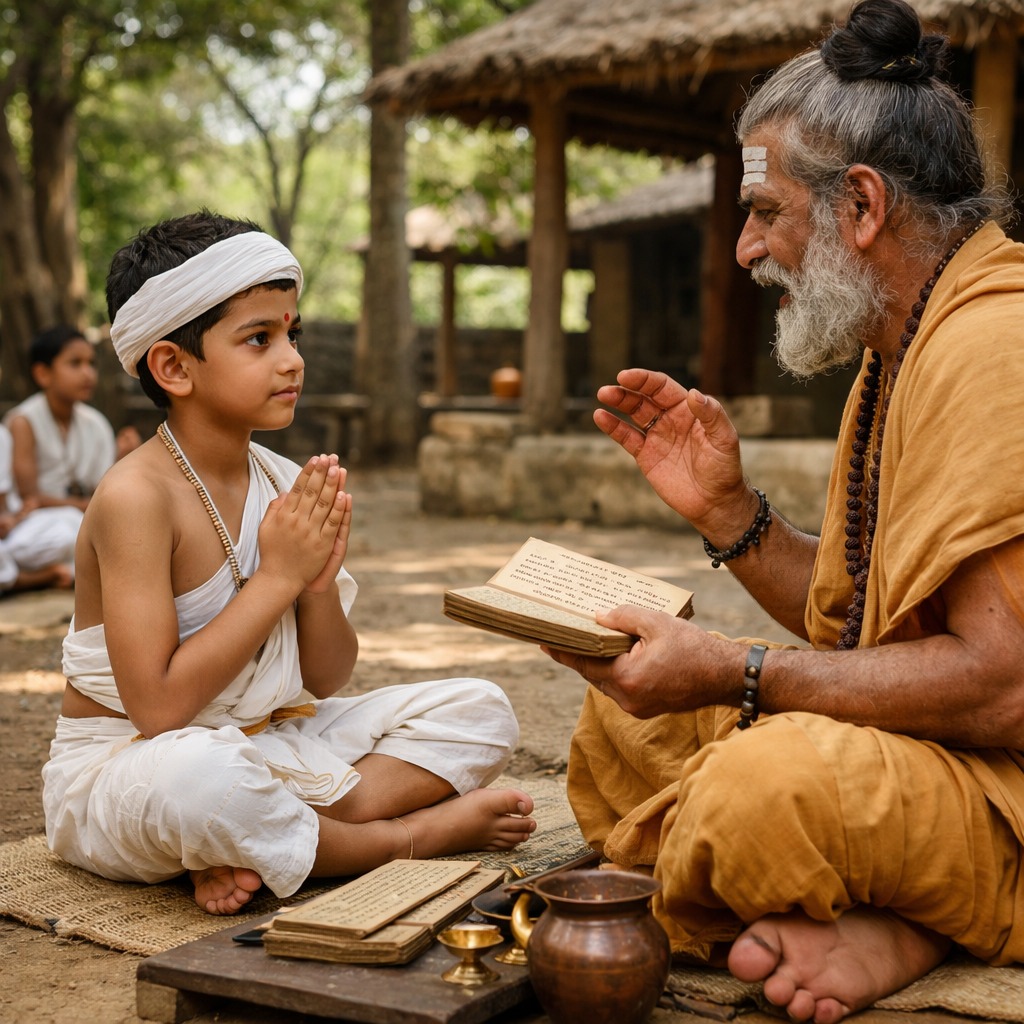
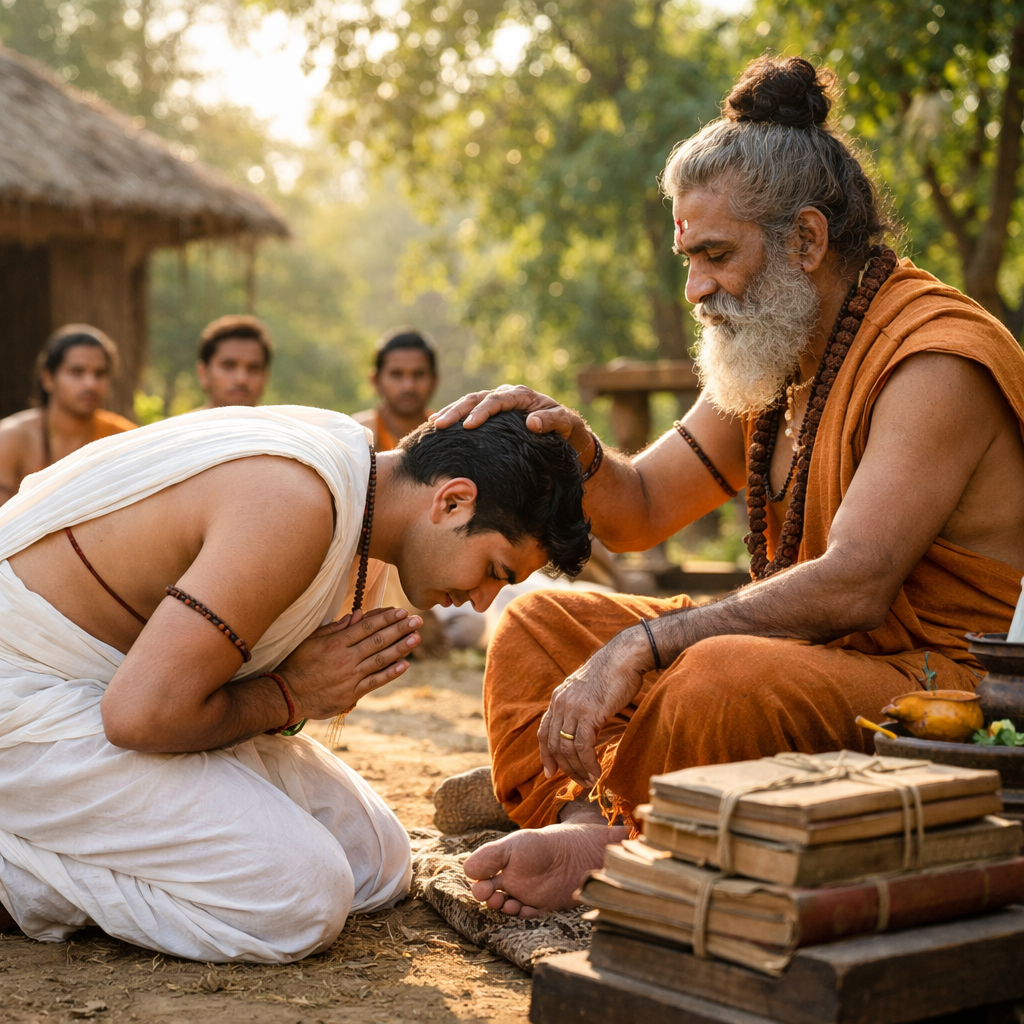
Beginning of Vedic Study
Upanayana Sanskar
Upanayana Sanskar marks the beginning of spiritual and disciplined student life. The child receives the sacred thread and starts learning spiritual teachings.
Symbolizes
It symbolizes spiritual awakening and responsibility toward knowledge and discipline.
Ideal Time
Traditionally performed between 8 to 12 years of age.
How the Ritual is Done
The child receives the sacred thread and is taught the Gayatri Mantra, beginning the journey of spiritual learning.
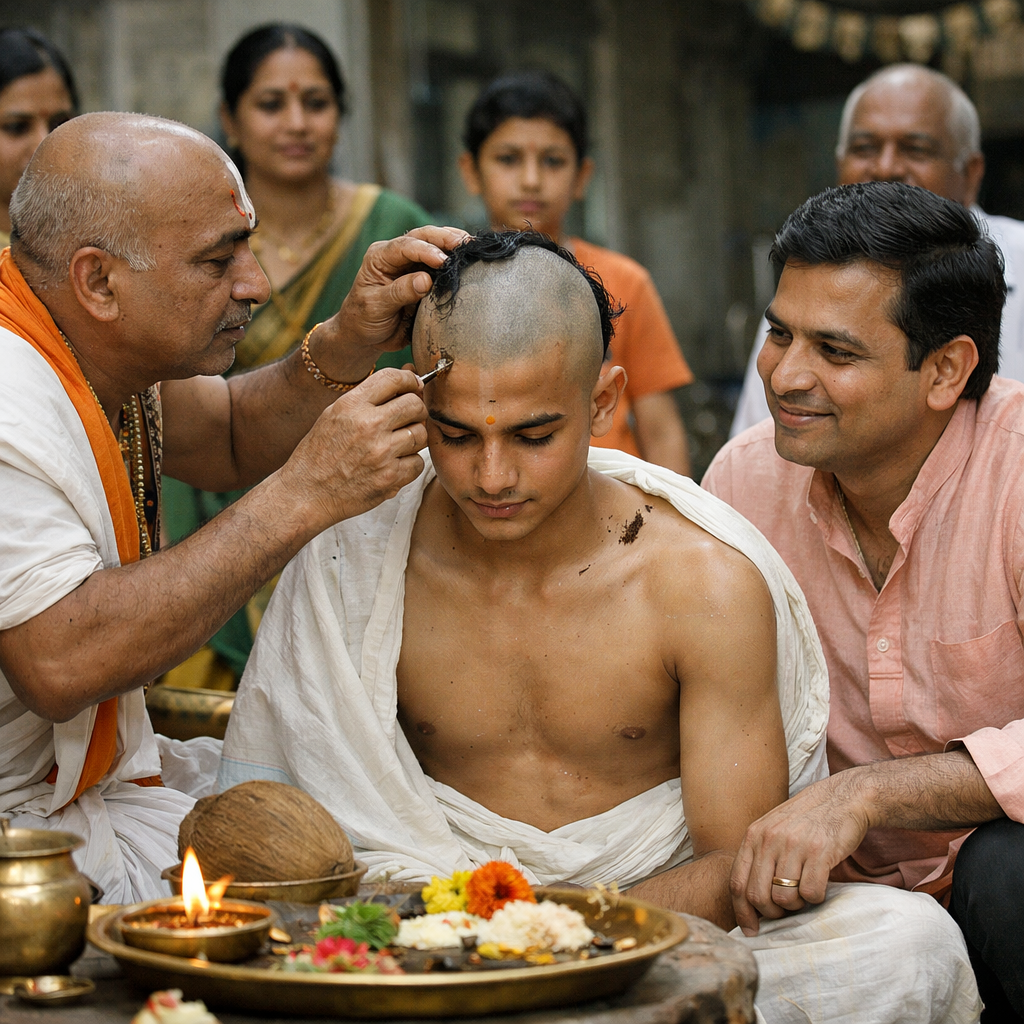
Keshanta Sanskar
Keshanta Sanskar marks the stage when a boy enters youth. It indicates the development of maturity and responsibility.
Symbolizes
It symbolizes the transition from childhood to adulthood.
Ideal Time
Usually performed around 16 years of age.
How the Ritual is Done
The young person shaves hair or beard for the first time and receives blessings from elders.
Transition to Youth
Completion of Education
Samavartan Sanskar
Samavartan Sanskar marks the completion of formal education and the end of student life.
Symbolizes
It symbolizes readiness to enter society and take responsibilities.
Ideal Time
Performed after finishing education.
How the Ritual is Done
The teacher blesses the student and advises them to follow truth, discipline, and service in life.
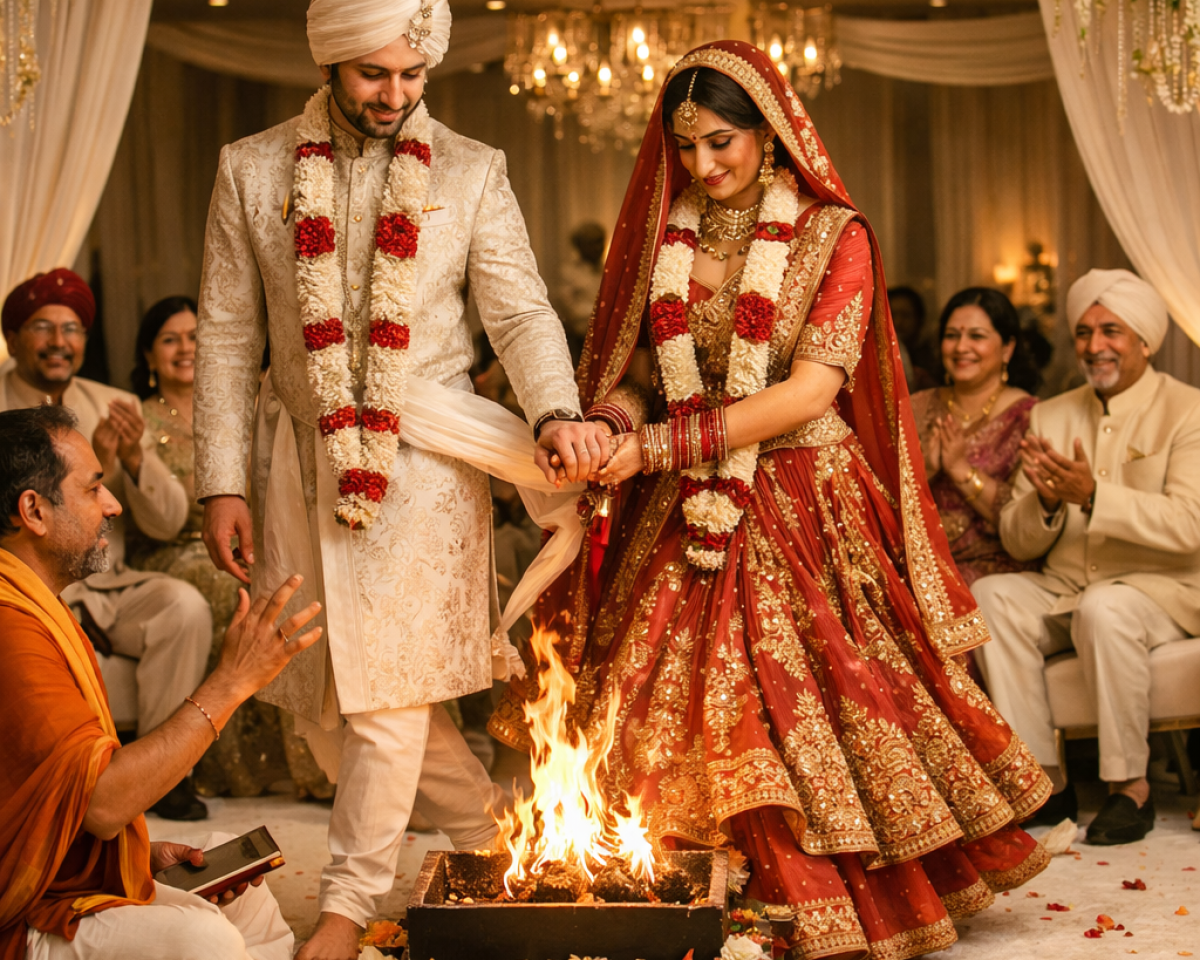
Vivaha Sanskar
Vivaha Sanskar is the sacred union of two individuals who commit to building a family and supporting each other throughout life.
Symbolizes
It symbolizes partnership, responsibility, and family life.
Ideal Time
Performed in adulthood when individuals are ready for married life.
How the Ritual is Done
The ceremony includes Havan, sacred vows, and the seven steps (Saptapadi) around the holy fire.
Marriage Ceremony
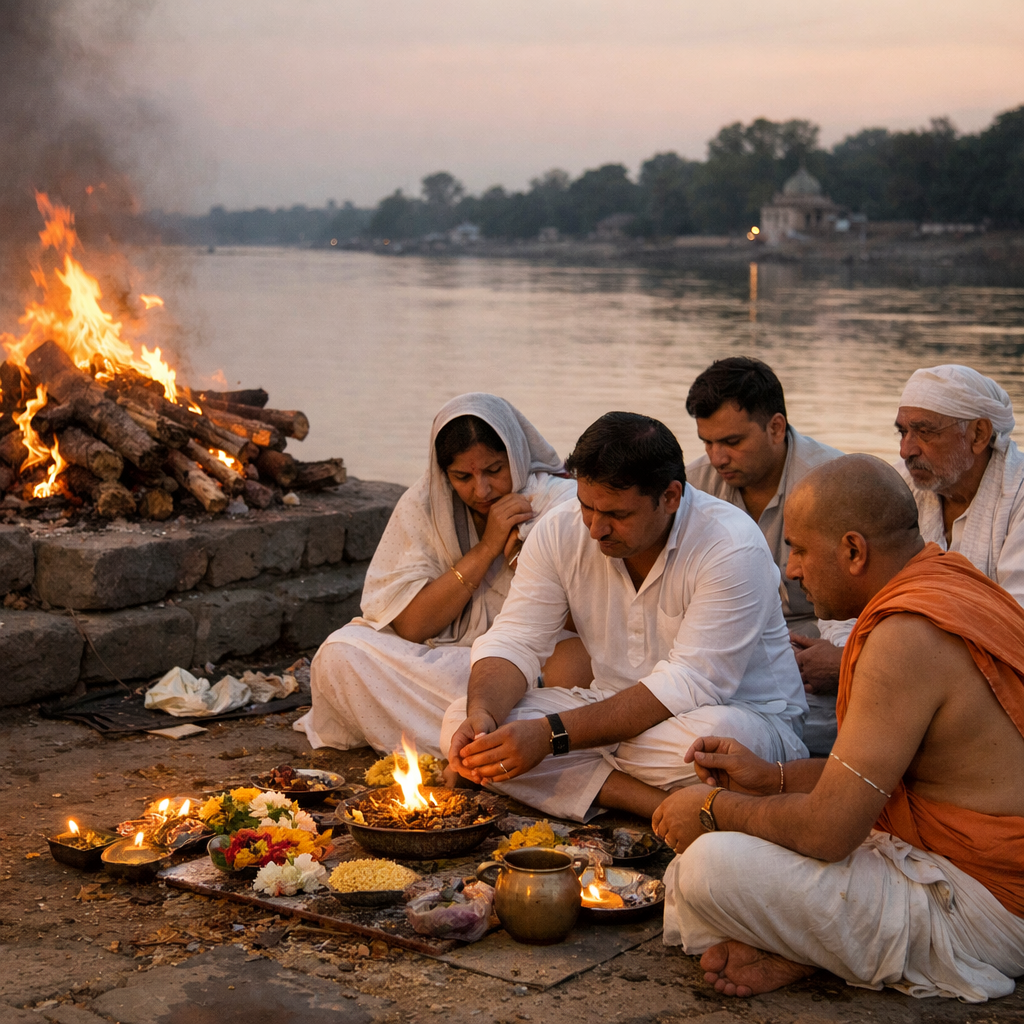
Last Rites
Antyeshti Sanskar
Antyeshti Sanskar is the final ritual performed after a person’s death. It honors the departed soul and helps it continue its spiritual journey.
Symbolizes
It symbolizes the completion of life’s journey and the soul’s transition to the next stage.
Ideal Time
Performed immediately after death.
How the Ritual is Done
The body is cremated with Vedic prayers and rituals, and family members pray for the peace of the soul.